Pieceing it Together
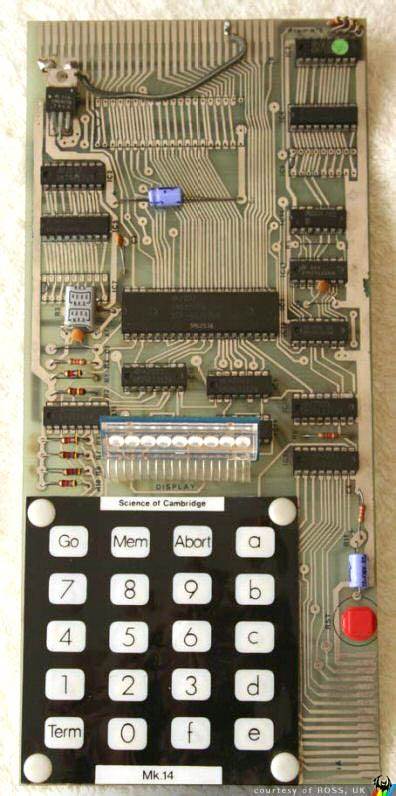
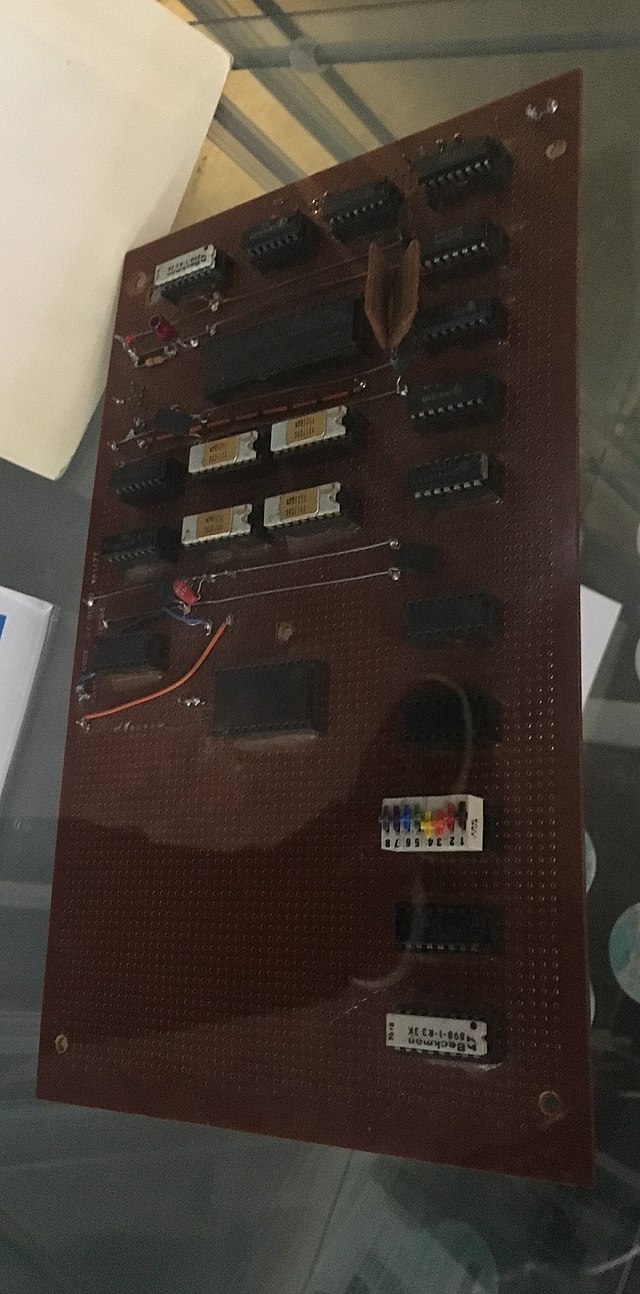
In 1974, engineer Ian Williamson worked at Cambridge Consultants Ltd. to get the company invested in microprocessor-based arcade
games. But with no success, he switched gears to designing a computer kit with engineers dabbling in microprocessors in mind,
deciding it should cost £50-£60. When an American company called National Semiconductor released a kit in that price range,
Williamson took notice. He saw that it lacked a keyboard, and in place of a display was circuitry for an expensive computer
terminal. Inspired to address these issues in his own computer kit, he searched for a cheap calculator to interface with his
computer at CCL, settling on a Sinclair Radionics calculator, finishing his computer.
They Take it and Run
Speaking of, engineer Clive Sinclair was struggling to keep control of his company, so he gave it to business partner Chris Curry
to run solo. In August 1977, Ian Williamson approached the pair with his computer. They were pleased and saw an opportunity to
create a cheap computer for the hobbyist market. The plan was originally to sell a kit based on Williamson's design, but the team
stuck with NS's own design when Curry got loads of components from the company and NS let them to use their designs, SC/MP
Introkit, Keyboard Kit, and SCMPKB Monitor code all for free. Sinclair found this deal more attractive, so Williamson was given
£2,000 and forced out of development.
They Set it Free
The price the MK14 had when it was released was £39.95. Sinclair ordered 2,000 sets from NS but a result of the low price, about
20,000 early orders ended up being placed by consumers. It wasn't until February 1978 that the first batch of units arrived, as
full-blown production wouldn't happen until May. When all was said and done, 15,000 MK14s were sold before being discontinued.