Hello Moto!
First, let's talk about a semiconductor company called Motorola. If that name sounds familiar, it's the same company that
invented the mobile telephone in 1983. They would go on to start several lines of cellphones throughout the 2000s, and
eventually the Razr series in the 2020s.
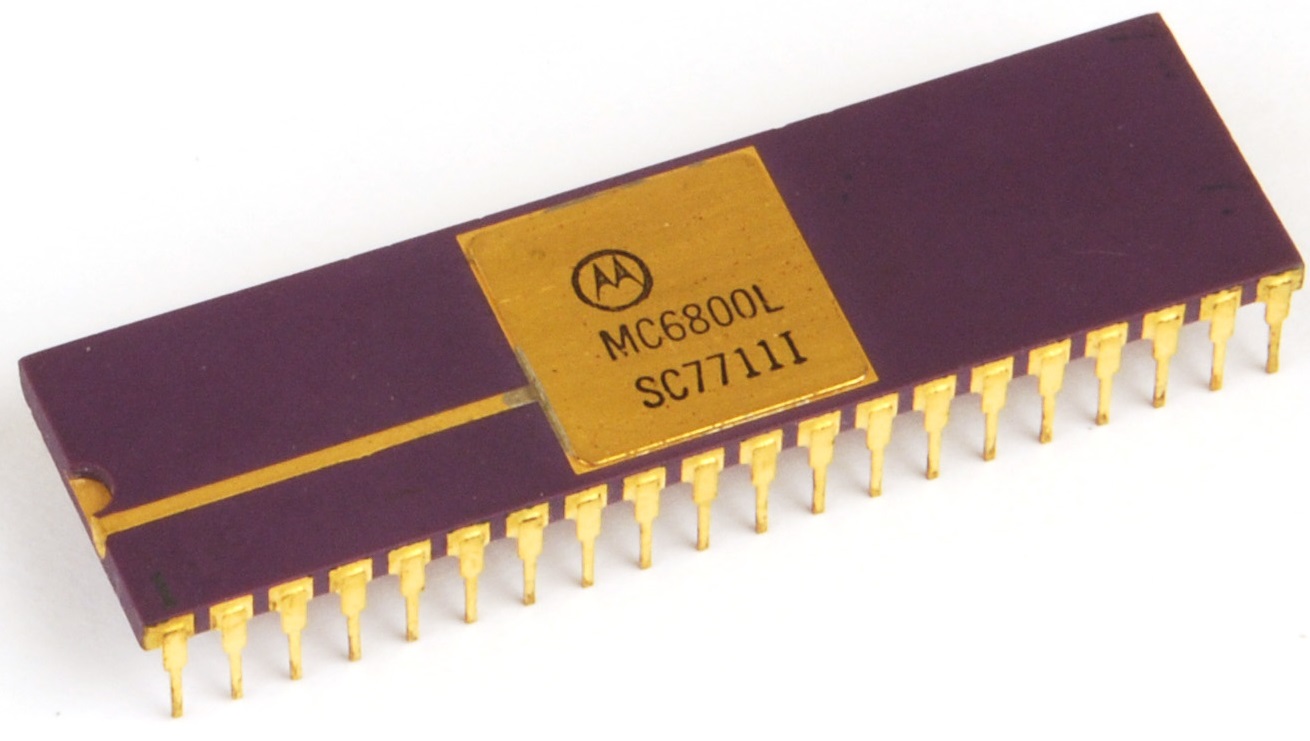
Motorola also manufactured microchips such as the popular 6800 for electronics including computer peripherals, test
equipment, arcade games, and pinball machines. This chip was so popular, competing semiconductor company MOS Technologies
designed their own based on it. MOS's CPU chips, in one variant or another, were found in loads of calculators, computers,
and video game systems from the 1970s to the current day! Commodore's electronics were no exception, but more on that in a
minute.
Firstborn
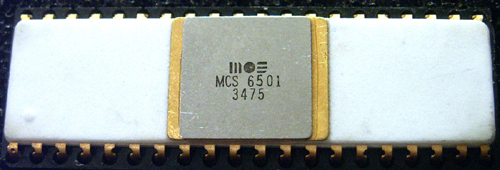
MOS's first processor, the 6501, was mostly interchangable with the 6800, because their pinouts were nearly identical. But
because of this, Motorola sued and got the 6501 chip removed from the market.
Secondborn
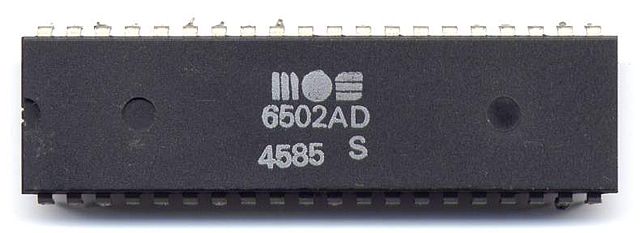
In August 1974, eight employees from Motorola (including engineers Bill Mensch and Chuck Peddle) left for MOS. There, the
team slightly altered the pinout of the 6501, and the 6502 was born. The team worked on samples of the new chip until June
the next year.
The Inaugural Outing
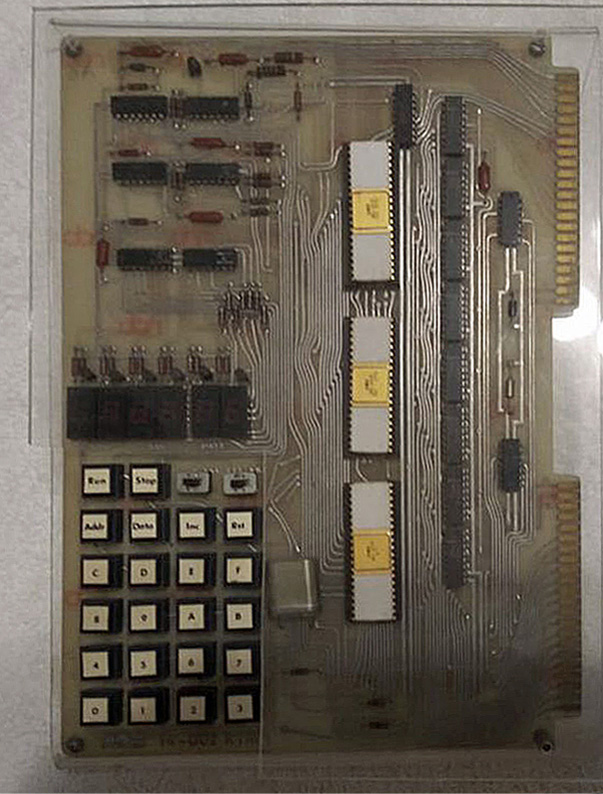
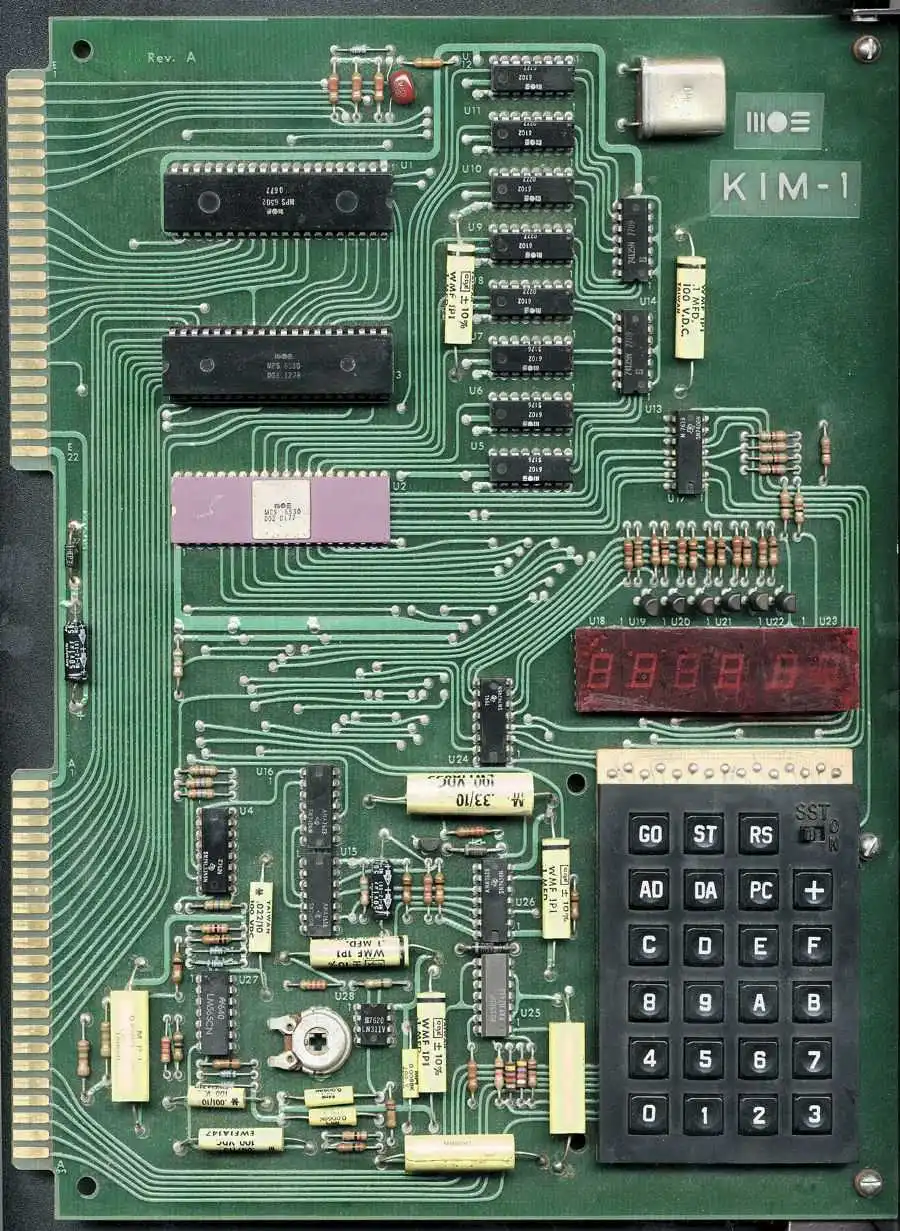
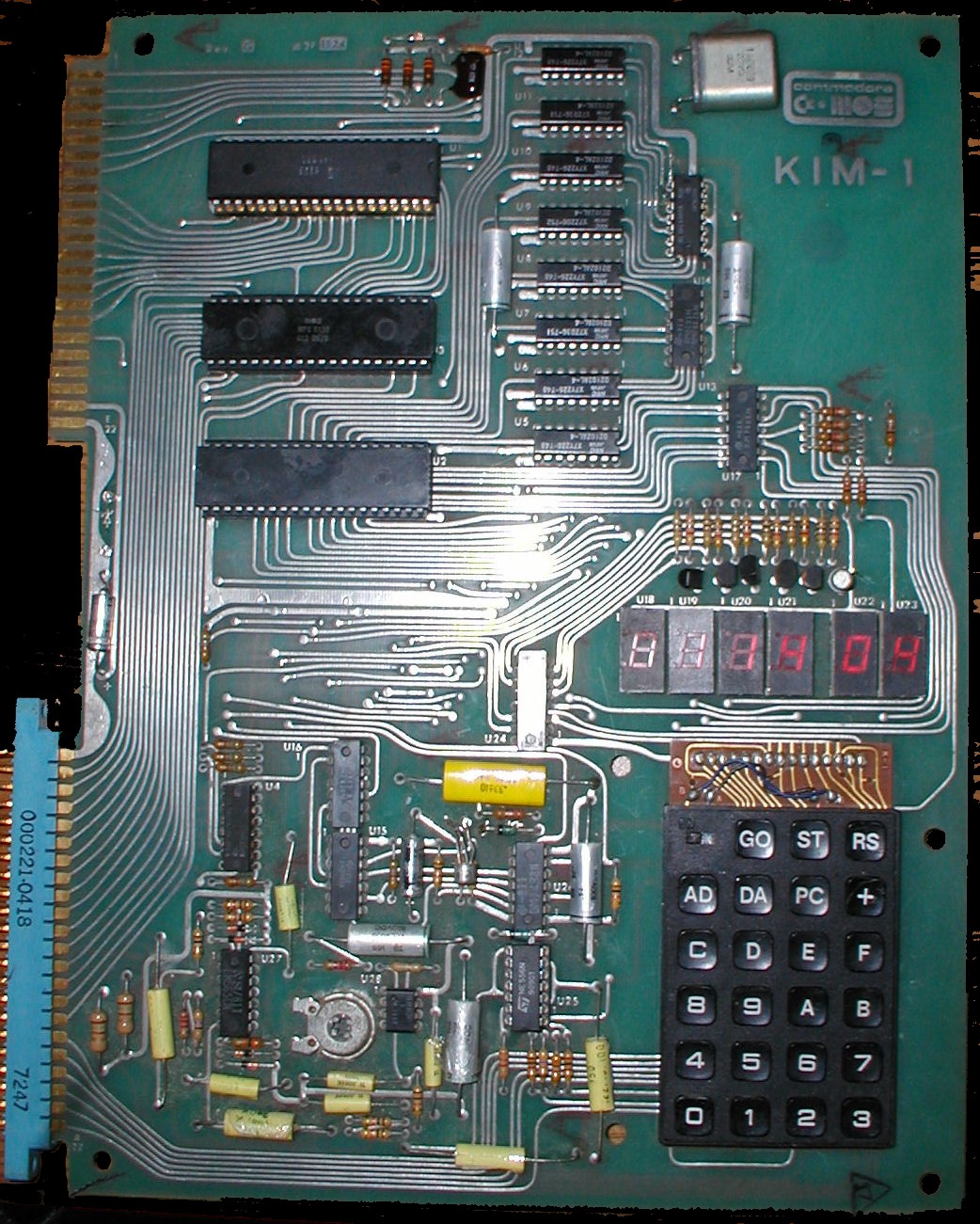
But they needed a machine that it could be purposed for, so they put together the world's earliest computer consolidated
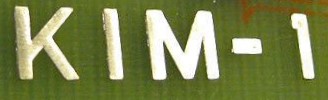
into one board, the KIM-1, releasing it sometime in Spring 1976.
KIM stood for Keyboard Input Monitor, with monitor referring to the simplistic software that lets a user see the memory.
Not to be confused with a computer monitor, which was not quite defined yet at the time. MOS made at least two revisions
of the machine under their own name. But as the KIM-1 was selling, Commodore wanted their own chip supply to use in a
new line of calculators. So they purchased a CMOS calculator chip vendor in California. Secondly, they were searching
for a company that already owned one. That is, something to hold them over. That's when they came across MOS
Technologies. Commodore bought them out in Summer 1976, slapped their name onto the KIM-1, and so began the new golden
road...
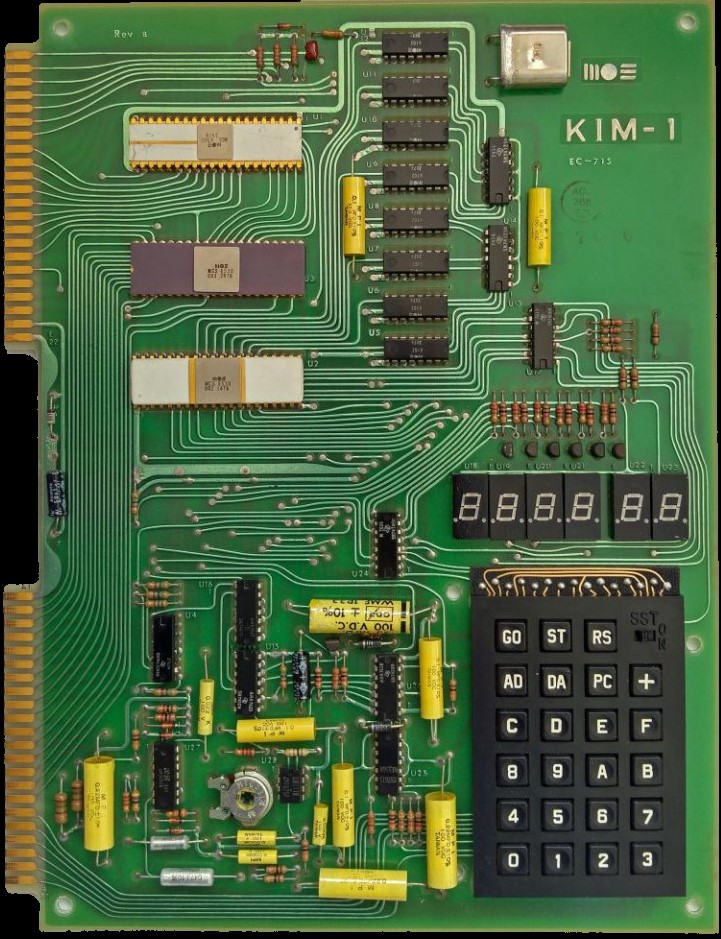
Revision A
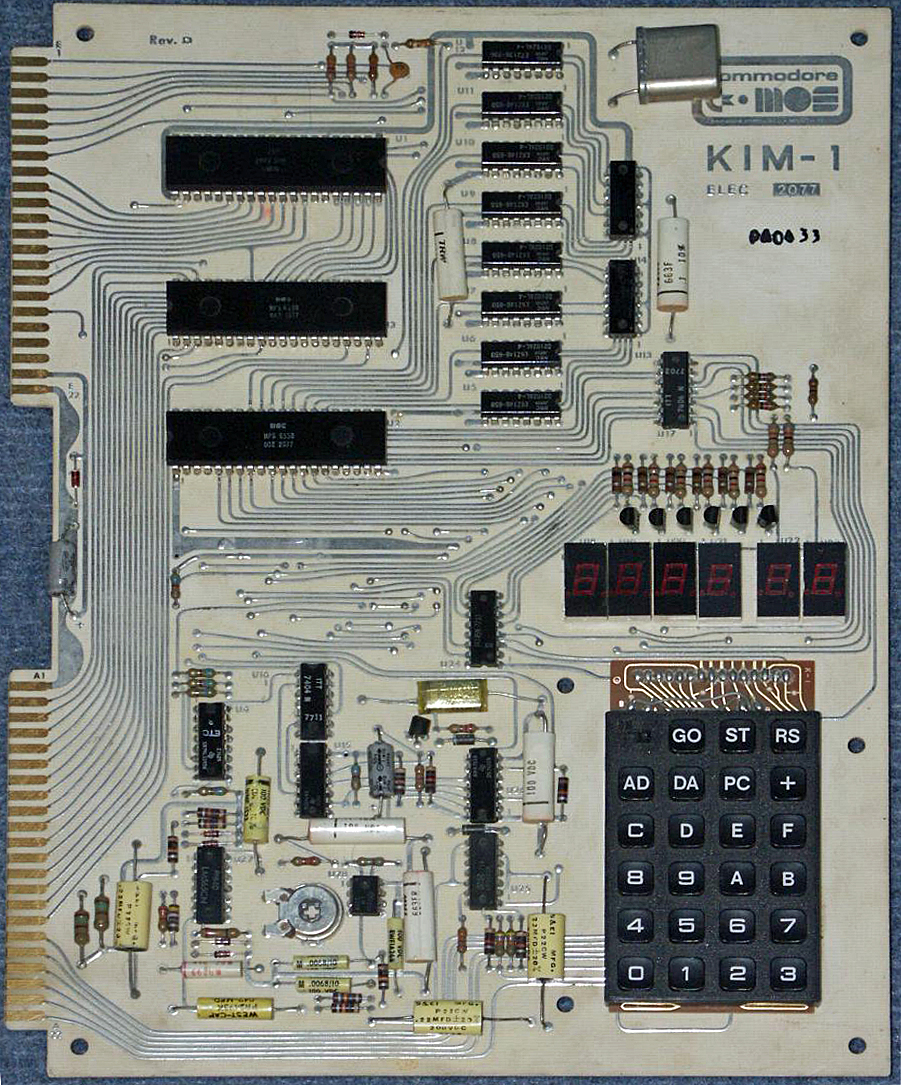
Revision B
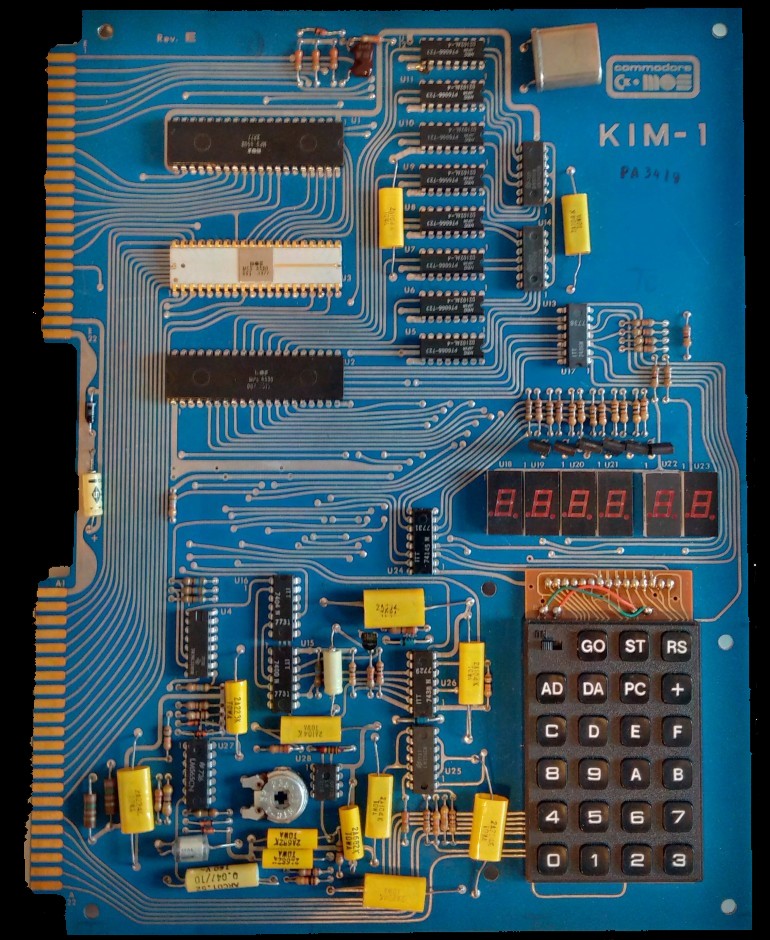
Revision D
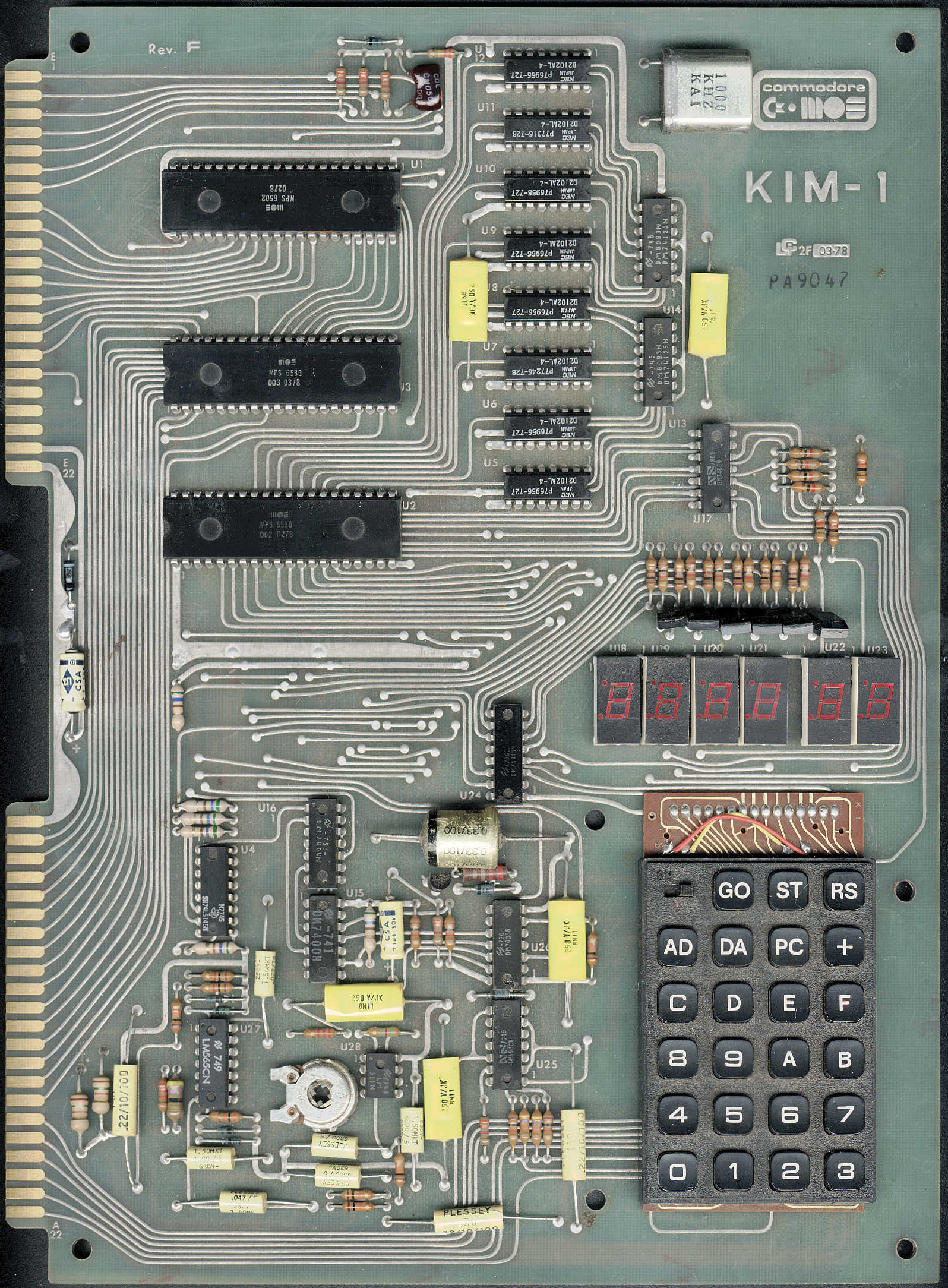
Revision E
Revision F
Revision G