Two Wars Quietly Form
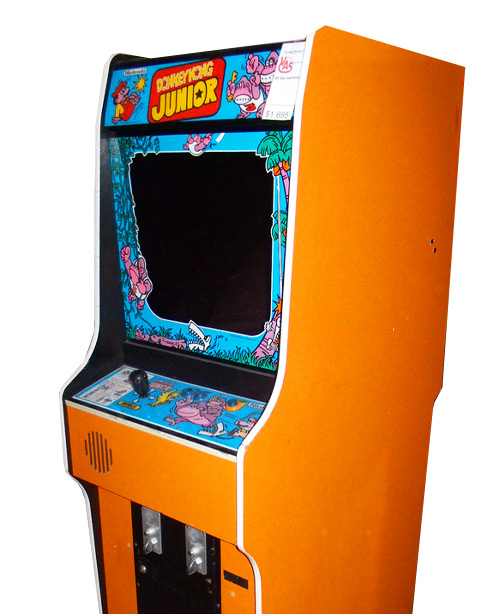
Following the success of Donkey Kong, Nintendo took some of their ample proposed level designs from the original that wouldn't fit
into its memory and started work on a sequel. However, they burned bridges with Ikegami by choosing not to buy more Donkey Kong boards
from them after an initial 8,000 and chose to instead manufacture all the rest they needed themselves when demand got really high. The
thing is, Ikegami programmed the code for the game, and as copyright law was only just established into video games around that time
and the contract didn't explicitly mention programming and manufacturing rights being separate, Ikegami also had the manufacturing
rights to Donkey Kong. This doesn't affect the fact the characters, brand, etc. all belonged to Nintendo, though. A long legal battle
would ensue, but wouldn't stop Nintendo from working on future arcade titles themselves. To add insult to injury, Ikegami hit up Sega
to manufacture boards for a couple of their games, planting the seeds for a war between Nintendo and Sega in the years to come, and
another with Ikegami a little later.
A New Partner
Nintendo hired contractor Iwasaki Engineering to disassemble and reverse-engineer Donkey Kong for the purposes of changing and adding
graphics, stages, and mechanics. That pretty much explains why the original and the sequel are so similar. But the contract between
both parties was fair and clear, and a long, healthy partnership sprouted, eventually causing some members of Iwasaki to join Nintendo
and their new Rsearch and Development team.
Kong, Son, and the Reversal
Shigeru Miyamoto, now on his second project as lead designer, wanted his "stupid monkey" to have more of a complex identity. So, after
deciding Donkey Kong himself was too big to be player-controlled, he designed a smaller ape that's his offspring, Junior, to free his
father from the
evil Mario. Junior would climb not ladders, but rather vines and chains and jump over wind-up Snapjaws and
birds instead of barrels and fireballs. Again, four stages were put in to reinforce originality and put in new patterns not seen in
the original so players wanting to see more would insert more quarters.
Kong is Captured
Donkey Kong Junior came out on June 30, 1982 in Japan. Although the sequel was a success, it wasn't nearly the success the original
was. Most systems that received a port of its predecessor received a port of Donkey Kong Jr., but not all.